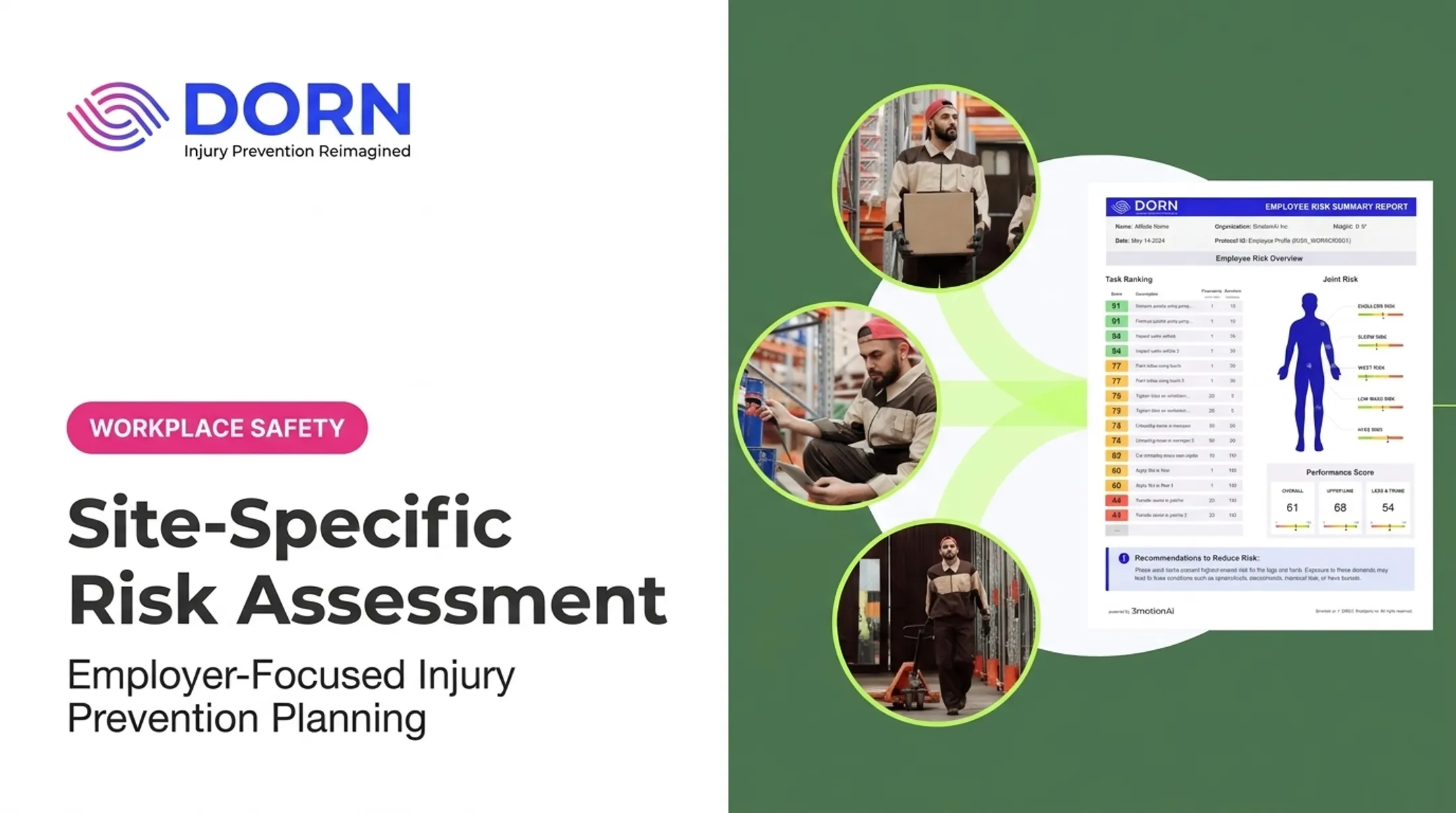
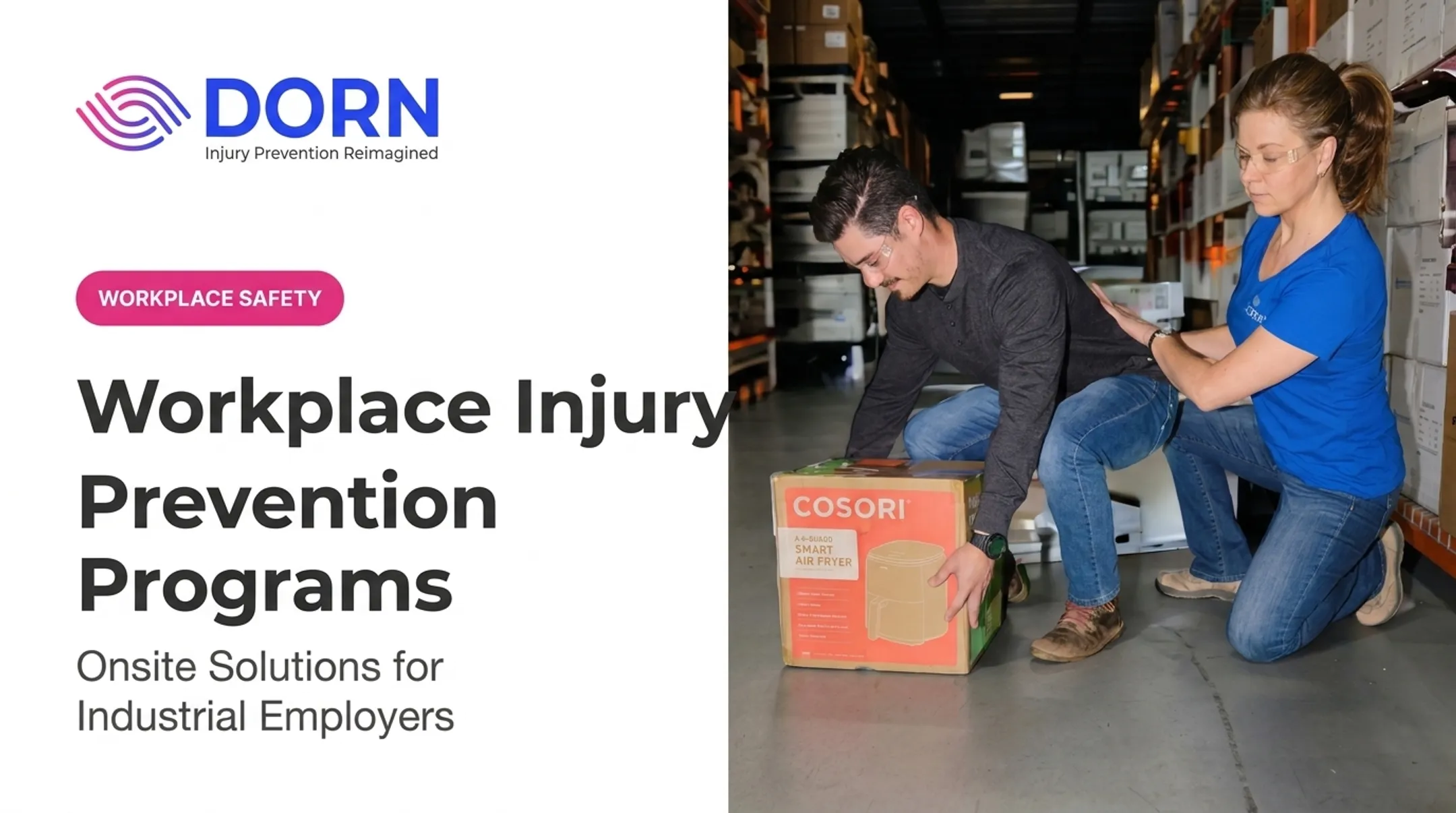
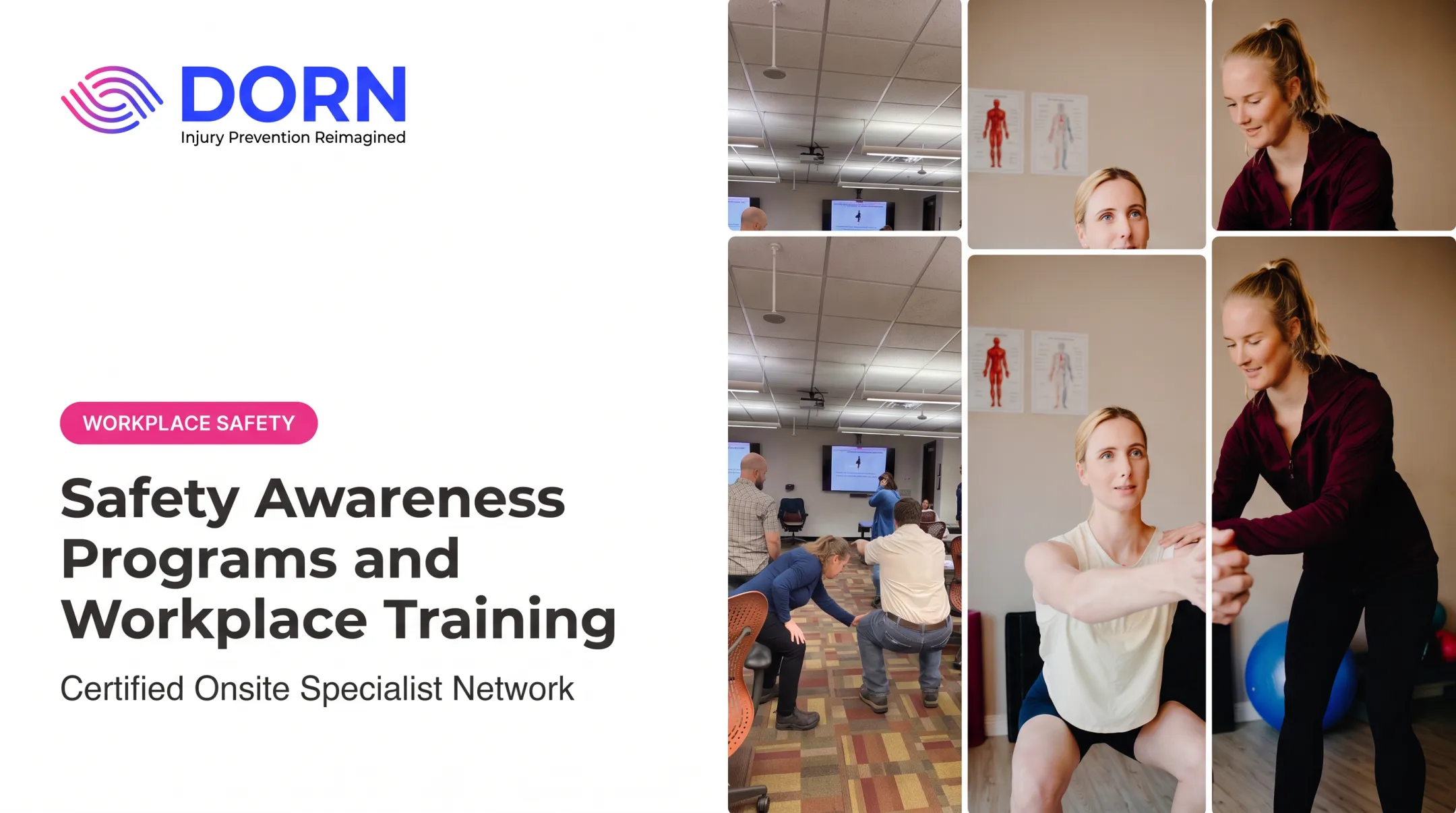
Generic onboarding covers universal ground: broad PPE rules, basic hazard recognition, company policy. Site-specific training goes further. It teaches workers the traffic patterns, lockout/tagout steps, restricted areas, and emergency procedures unique to the building they work in every day. A skilled machine operator transferred between plants can be just as unprepared for a new facility's layout as someone brand new to the industry.
This guide covers what site-specific training should include, how to build a plan around real hazards, how to document competency rather than just attendance, and how to keep training current as your workplace changes.
Key Takeaways
- Site-specific training ties general safety principles to real hazards, equipment, and procedures at one worksite.
- Strong programs pair hazard assessment, job-role mapping, hands-on practice, and competency checks—not sign-in sheets alone.
- Refresh training when equipment, layouts, staffing, or incidents change—not only on a fixed annual calendar.
- Include ergonomics for lifting, repetitive motion, and awkward postures alongside traditional hazard topics.
Why Site-Specific Safety Training Matters
Hazards Generic Orientation Misses
Universal safety modules can't teach workers to recognize what's actually in front of them. Site-specific training fills that gap by covering:
- Vehicle and pedestrian interaction on the shop floor or loading dock
- Machine guarding and point-of-operation risks tied to the equipment actually installed
- Lockout/tagout steps for the site's real energy sources
- Fall exposures at elevated platforms, mezzanines, or ladders
- Chemical handling procedures matched to substances stored or used on-site
- Confined spaces, noise exposure, heat or cold stress in specific work areas
- Ergonomic risk from repetitive tasks or awkward postures at particular workstations
The Business Case
Employers who invest in this level of detail see measurable payoffs:
- Raise hazard awareness among frontline workers
- Standardize procedures across shifts and departments
- Speed onboarding for new and transferred employees
- Strengthen audit and inspection readiness
- Cut avoidable disruptions from incidents or near misses
- Build employee confidence in day-to-day tasks
Who Needs It Most
These groups often know the least about a given site and need tailored training first:
- Temporary workers and contractors
- Maintenance staff working across varied equipment and areas
- New hires and employees transferred between facilities
A contractor who's worked in dozens of plants may still not know this one's evacuation route.
OSHA requires employers to train workers on hazards relevant to their specific jobs. Exact scope depends on the standard and industry. For a staffing agency's temporary employee, the host employer—not the agency—usually covers that workplace's equipment and conditions.
Training that mirrors real site conditions and leaves room for questions builds stronger compliance than a checkbox session.
How to Build a Site-Specific Safety Training Program
Define the Scope First
Before writing a single training module, map out what the program needs to cover:
- The facility, departments, and shifts involved
- Job roles, from operators to office staff entering production areas
- Contractors and visitors who spend time on-site
- Processes, equipment, and materials in use
Run a Structured Hazard Assessment
A job hazard analysis (JHA) is the backbone of any site-specific program. OSHA's guidance on job hazard analysis describes the process as breaking a task into steps, identifying hazards at each step, and evaluating controls with input from the workers who do the job.
Combine this with:
- Facility inspections and incident or near-miss records
- Safety observations from supervisors
- Worker feedback on real operating conditions
- Review of applicable OSHA standards for the hazards present
Turn Hazards Into Training Objectives
Don't stop at broad topics. Connect each hazard to a specific action. A conveyor hazard, for instance, should translate into guarding awareness, safe clearance distances, emergency-stop use, and lockout/tagout steps, not just a general "machine safety" slide.

Map Requirements to Job Roles
Different roles need different instruction:
- Operators need equipment-specific procedures and hands-on demonstration
- Maintenance employees need lockout/tagout and energy-isolation training
- Supervisors need to know how to observe and correct unsafe practices
- Drivers and office staff entering production areas need PPE and traffic rules
- Contractors and visitors need orientation to restricted zones and emergency procedures
Loop In the People Doing the Work
Supervisors and experienced employees often know about unofficial workarounds that written procedures miss. Involve them in reviewing content, demonstrating safe methods, and confirming the training matches actual operating conditions.
Build a Change-Management Trigger List
Set clear conditions that require a training review:
- New equipment, process changes, or layout changes
- Facility expansion or staffing shifts
- Incidents, near misses, or recurring observation findings
- Regulatory updates
When those changes affect physical job demands, fold ergonomics back into the hazard review and training objectives. DORN's customized ergonomics and injury-prevention services can support that assessment for demanding work by examining how the worker, the task, and the environment interact. That input strengthens site-specific training; it does not replace the employer's own safety responsibilities.
What Effective Site-Specific Training Should Include
Site Orientation Basics
Every worker needs a baseline understanding of the facility itself:
- Layout and access controls
- PPE requirements by area
- Pedestrian and vehicle routes
- Restricted areas and communication rules
- Reporting procedures and emergency contacts
Hazard- and Task-Specific Content
Beyond orientation, cover only the topics relevant to that particular site:
- Machine guarding and hazardous energy control
- Chemical exposure and hazard communication
- Fall protection, material handling, and powered industrial trucks
- Electrical safety, heat or cold stress
- Ergonomics and emergency response
Hands-On Practice, Not Just Slides
Wherever a worker performs a physical procedure, they should practice it. Demonstration and return practice—not a lecture alone—are required for tasks such as:
- Inspecting equipment
- Selecting PPE
- Applying lockout/tagout steps
- Using lifting techniques
Make it usable. Plain language, translated or multilingual materials, visual demonstrations, and examples from the employee's own work area make training stick.
Completion Isn't Competency
Sitting through a session and being able to perform a task safely are two different things. Verify competency with:
- Knowledge checks
- Return demonstrations
- Supervisor observation
- Documented task sign-off
Build in Worker Voice
Every program needs a clear stop-work and hazard-reporting process, escalation routes, and a way for workers to flag when a procedure doesn't match real conditions.
Sample Plan Framework
A practical starting framework might include:
- Site and department scope with a named trainer
- Site map, PPE matrix, and emergency contacts
- Job-role and task matrix linking hazards to instruction
- Delivery method, competency check, and recordkeeping process
- Scheduled review date
Treat this as a starting framework, not a legal template. Have a qualified safety professional review the final version.
Delivering, Documenting, and Improving Training
Choosing the Right Delivery Method
No single format works for every topic. Mix approaches based on what workers need to learn:
- In-person orientation and toolbox talks for site rules
- Hands-on demonstrations and supervised practice for physical tasks
- Online modules for foundational knowledge, followed by site-based practical follow-up
- Virtual sessions for distributed teams
- Scheduled refreshers to reinforce retention
DORN's ErgoAware program, for example, pairs classroom sessions with on-the-floor practical training, letting supervisors and workers apply what they've learned to their own workstations right after the lesson.
What Belongs in a Training Record
Keep records that actually prove something happened and worked:
- Worker name or identifier and job/task
- Training topic, site, and date
- Instructor and duration where relevant
- Assessment or demonstration result
- Follow-up actions and worker acknowledgment
Separate attendance from competency. A signature confirming someone sat through a session isn't proof they can safely perform the task. Keep the demonstration or assessment result as a distinct record.
Measuring Whether Training Works
A NIOSH review of workplace safety training found that training alone improves worker knowledge, skills, and attitudes, but hasn't been shown to reduce injuries by itself. Effective prevention also needs management commitment, worker involvement, and ongoing hazard identification.
Track a mix of measures:
- Completion and overdue rates
- Assessment and observation results
- Near-miss and incident trends
- Ergonomic concerns and corrective-action closure
- Worker feedback
Scaling Across Multiple Sites
Multi-site employers can standardize core content while layering in facility-specific modules: local maps, site rules, equipment procedures, and approval workflows. DORN supports that model with onsite and virtual delivery, keeping core lessons consistent while each facility retains its local modules.
After rollout, set a review cadence based on risk: immediate updates after serious incidents or major changes, and scheduled reviews to confirm procedures, contacts, and equipment details are still accurate.

Frequently Asked Questions
What are the 5 basic safety trainings?
Common foundational categories include hazard communication, emergency action and fire safety, PPE, ergonomics or injury prevention, and general hazard recognition. Exact requirements depend on the worker's duties, industry, and applicable OSHA standards.
Can you provide an example of a site-specific safety plan?
A sample plan covers site scope, hazard assessment, a job-role matrix, PPE and emergency procedures, task-specific instruction, competency checks, records, and review triggers. It must match your facility's actual conditions.
Is site-specific safety training required by OSHA?
OSHA requires employers to train workers on job-relevant hazards, but it does not set one universal "site-specific training" standard. Required topics and documentation depend on the work, industry, and applicable OSHA rules.
What should be included in site-specific safety training?
Include site rules, real hazards, equipment and task procedures, emergency response, PPE, reporting expectations, hands-on practice, competency checks, and documented records.
How often should site-specific safety training be updated?
Review training on a planned schedule and immediately after equipment, process, layout, staffing, regulatory, or incident changes create a meaningful shift in risk.