

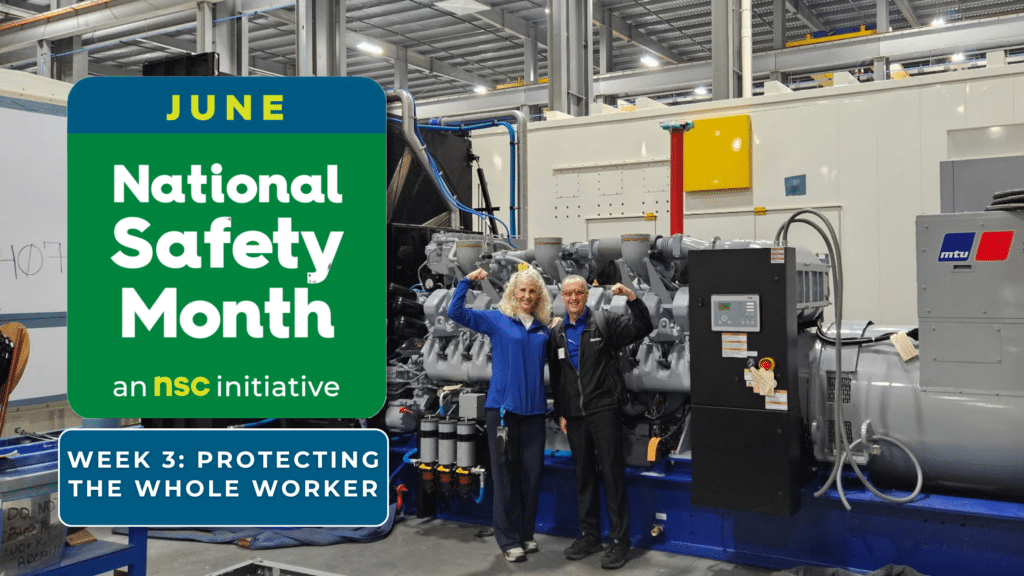
Week 3 of National Safety Month focuses on Promoting Holistic Worker Health, a reminder that workplace safety is about more than preventing recordable injuries.
Protecting the whole worker means addressing the physical strain, fatigue, discomfort, stress, and work conditions that affect employees every day. It means identifying risk before pain becomes an injury, before fatigue affects performance, and before unsafe movement patterns become costly incidents.
That is where ergonomics and, increasingly, artificial intelligence can make a measurable difference.
In this case study, DORN partnered with a global Fortune 500 organization to build a more scalable, consistent, and proactive approach to workplace injury prevention. By combining human expertise, biomechanics training, ergonomic improvements, and AI-powered motion capture technology, the organization achieved significant risk reductions while improving employee well-being, morale, and the ability to perform daily work.
The results demonstrate what holistic worker health can look like when technology is used thoughtfully: not to replace human expertise, but to make it more precise, accessible, and effective.
The Growing Role of AI in Workplace Safety
Safety leaders are under increasing pressure to improve outcomes while managing tight budgets, limited internal resources, and large, geographically dispersed workforces.
Many organizations have already adopted tools such as alertness testing, desktop ergonomics software, exoskeletons, wearable devices, and digital training platforms. However, one technology is beginning to distinguish itself as a particularly powerful tool for identifying and reducing musculoskeletal risk: artificial intelligence.
AI-powered ergonomics can help employers move beyond assumptions and isolated observations. It can analyze movement, posture, repetition, reach, exertion, and task demands at a level of speed and scale that would be difficult to achieve through manual observation alone.
The real value is not simply collecting more data. It is turning that data into action.
When paired with qualified ergonomists and safety professionals, AI can help organizations:
- Identify high-risk movements and tasks
- Prioritize the most urgent interventions
- Measure whether changes are working
- Create more consistent safety standards across locations
- Expand successful programs without relying on an ergonomist at every site
- Reduce pain, fatigue, and physical strain before they become injuries
This case study shows how those capabilities can directly support the health of the whole worker.
A Global Ergonomics Challenge
The organization featured in this case study is a Fortune 500 manufacturer of paints, coatings, and specialty materials. Headquartered in the U.S. Midwest, the company operates in approximately 70 countries.
At one facility, the organization faced a serious safety challenge.
In 2022, the site reported 21 significant incidents in a single year, along with high levels of chronic employee pain. The safety team was also struggling to maintain participation and engagement in existing safety and wellness initiatives.
These challenges were not unique to one organization.
Many employers face similar obstacles:
- High rates of discomfort and musculoskeletal risk
- Limited access to qualified ergonomists
- Inconsistent safety practices across sites
- Difficulty maintaining employee engagement
- Pressure to reduce injuries without significantly increasing costs
- Challenges scaling successful programs across departments, facilities, or countries
The organization needed more than a temporary solution. It needed a strategy that could reduce immediate risk while also building a foundation for long-term, company-wide improvement.
The First Phase: Human Expertise and On-Site Intervention
DORN began by implementing a comprehensive injury prevention program at the facility.
The initial services included:
- On-site pain-relief and early intervention therapies
- Ergonomic assessments
- Employee wellness support
- On-site observation
- Biomechanics coaching
- Education on safer movement and work techniques
The results were substantial.
Following the intervention, the facility reported:
- An 81% decrease in injury rates
- An 84% reduction in employee pain levels
- Nearly $1.5 million in cost savings over the following year
The facility also received the company’s internal Ergo Cup award for excellence in ergonomics, safety, and injury prevention.
At one location, the program was clearly working.
However, the organization still faced a much larger question: how could it expand those results across a global network of facilities?
The Challenge of Scaling Ergonomics
Traditional ergonomics programs can produce powerful outcomes, but they can also be difficult to scale.
Qualified ergonomists and experienced safety professionals are not always available in every region. Bringing specialists to dozens of facilities can require significant travel, time, and financial investment.
Consistency is another challenge.
One site may receive high-quality assessments and coaching, while another location may lack the same level of expertise. Without a standardized process, organizations may struggle to compare risk, prioritize improvements, or determine whether interventions are producing the desired results.
The company needed a way to preserve the value of human expertise while expanding its reach.
Technology became the bridge between local success and global consistency.
Expanding the Program with AI-Driven Ergonomics
Over the following two years, the organization added two solutions designed to complement its existing injury prevention program.
Together, these tools helped supervisors recognize risk, collect objective movement data, and implement more targeted interventions.
Solution 1: ErgoAware Training
DORN introduced ErgoAware, a customized training program designed to help departmental supervisors recognize the specific ergonomic risks present at their facility.
The program was created after DORN ergonomists visited the site, observed work tasks, and analyzed the primary physical risk factors facing employees.
ErgoAware combined classroom education with practical, real-time training on the production floor.
Supervisors learned how to identify:
- Hazardous postures
- Excessive reaching
- Repetitive movement
- Poor lifting techniques
- Inefficient work methods
- Task conditions that increase fatigue and strain
- Employee behaviors that may contribute to injury risk
The goal was to help supervisors develop what DORN calls “ergo-eyes” - the ability to recognize risk during daily operations rather than waiting for an injury, complaint, or formal assessment.
This gave the organization a stronger internal safety capability and helped make ergonomics part of everyday leadership.
Solution 2: AI Risk Detect Motion Capture Technology
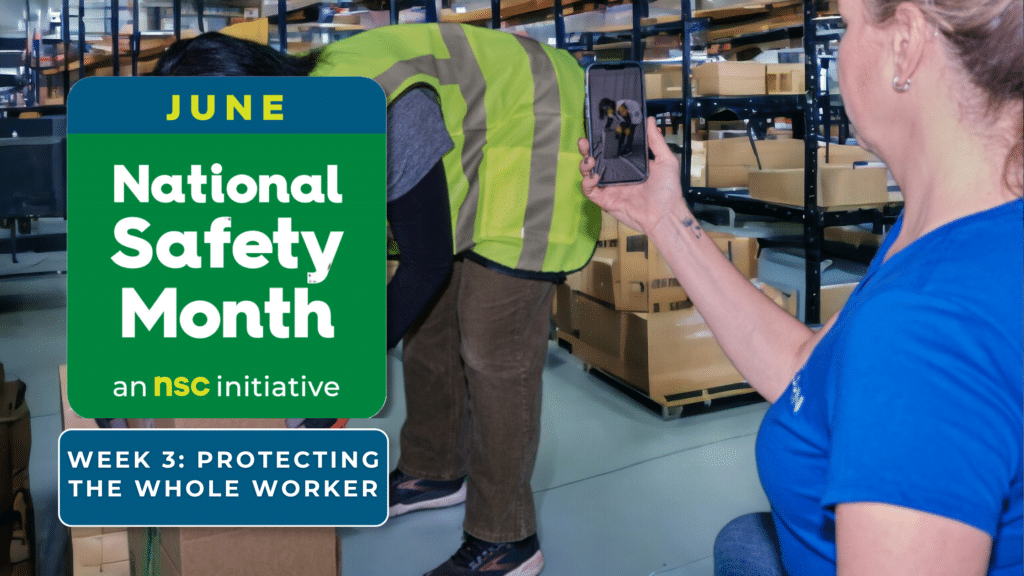
The organization also implemented AI Risk Detect, an AI-powered motion capture system that evaluates how employees move while performing real work.
The technology analyzes the relationship between workers, equipment, workstations, tools, and the surrounding environment.
It can assess risk factors such as:
- Reach height
- Reach distance
- Shoulder elevation
- Elbow flexion
- Repetitive movement
- Upper-extremity exposure
- Awkward posture
- Movement patterns associated with strain or fatigue
The system transforms these observations into detailed risk data that safety teams can use to make decisions.
Its capabilities include:
Rapid Risk Triage
The technology identifies and categorizes risk by severity, allowing supervisors to focus first on the tasks and movements most likely to cause injury.
Targeted Ergonomic Assessments
Instead of relying only on broad assumptions, the system creates detailed risk profiles by task and employee movement pattern.
This helps safety teams identify the underlying causes of risk.
Preventive Action Planning
The data support specific recommendations, including changes to workstations, workflows, equipment, training, and employee technique.
Comprehensive Safety Dashboards
Supervisors can review risk trends, monitor progress, compare tasks, and track improvements over time. This provides a clearer roadmap for expanding interventions across departments and facilities.
Why the AI Component Matters
AI is especially valuable when organizations need to analyze large volumes of movement data across many employees, tasks, and locations.
A human ergonomist brings judgment, context, experience, and an understanding of workplace realities. AI adds speed, consistency, and the ability to process large amounts of information.
Together, they create a more complete safety strategy.
The technology does not simply indicate that a job is “high risk.” It helps show why the risk exists, where it occurs, how severe it is, and what may need to change.
That level of detail is important for protecting the whole worker.
Pain and fatigue are often the result of repeated exposure rather than a single event. A worker may complete the same motion hundreds of times during a shift. A reach that appears minor during a short observation may create significant strain when repeated throughout the day.
AI-powered ergonomics helps make those hidden exposures visible.
From Data to Real Workplace Change
The organization used AI Risk Detect over a three-month period in areas where employees had reported elevated pain and where musculoskeletal injury risk was considered higher than acceptable.
The evaluation focused on:
- Upper-extremity risk
- Reach height and distance
- Repetitive tasks
- Shoulder elevation
- Elbow flexion
- Postural risk
After reviewing the data, DORN ergonomists worked with the organization to develop targeted interventions.
These included:
- Expanded biomechanics and body mechanics training
- Installation of adjustable-height workstations
- Changes to existing workflows
- Reduced repetition of high-risk movements
- Adjustments designed to lower exertion
- Improved positioning of materials and equipment
The technology helped identify the problem, but the value came from using that information to redesign work and improve employee behavior.
The Results: Lower Risk and Better Worker Wellbeing
The results demonstrated a direct connection between ergonomic risk reduction and holistic worker health.
Over the course of the program, the organization reported:
- A 67% reduction in total ergonomic risk
- A 60% reduction in upper-extremity risk
- Near-total elimination of reaching and posture hazards
- An 87% reduction in employee-reported stress
- 98% of employees reported less difficulty completing their work
- 87% reported an improvement in overall morale
These results go beyond injury statistics.
They show how ergonomic improvements can affect the complete worker experience.
When employees experience less physical strain, they may also experience:
- Less fatigue
- Lower stress
- Greater confidence in performing their tasks
- Improved productivity
- Higher morale
- Better engagement with safety initiatives
- A greater sense that the organization values their well-being
That is the foundation of holistic worker health.
Protecting the Whole Worker
Workplace injuries rarely begin with an incident report.
They often begin with small warning signs:
- A sore shoulder
- Persistent lower-back discomfort
- Fatigue at the end of a shift
- Difficulty reaching materials
- A task that becomes harder to complete over time
- A worker who silently adapts to pain because they believe discomfort is simply part of the job
A holistic injury prevention strategy identifies and responds to those signals early.
AI-powered ergonomics supports this approach by helping safety leaders see risks that may otherwise remain unnoticed. It gives employers the ability to quantify physical exposure, measure improvement, and develop more targeted solutions.
However, technology alone is not the answer.
The strongest programs combine:
- AI-powered data
- Qualified ergonomic expertise
- Employee education
- Supervisor engagement
- Early intervention
- Workstation and process improvements
- A culture that encourages workers to speak up about discomfort
That combination protects not only the worker’s body, but also their energy, confidence, morale, and ability to perform their job safely.
Scaling Success Across Multiple Locations
Following the three-month evaluation and the results achieved through targeted interventions, the organization decided to expand its ergonomics program to seven additional locations across North America.
This was an important step.
The company was no longer responding to one facility’s injury problem. It was building a scalable, repeatable model for proactive risk reduction.
The program demonstrated that organizations do not need to choose between high-quality ergonomics and broad implementation.
With the right combination of technology, training, and human expertise, employers can create consistent ergonomics programs across multiple sites—even when resources are limited.
The Future of Holistic Worker Health
AI technology is still evolving, but its potential in workplace safety is already clear.
It can help employers:
- Detect risk earlier
- Analyze movements more consistently
- Reduce reliance on subjective observation
- Measure the effectiveness of interventions
- Expand ergonomics programs across large workforces
- Support faster and more informed safety decisions
Most importantly, it can help shift safety programs from reactive to preventive.
Instead of waiting for an employee to become injured, organizations can identify the physical conditions that contribute to pain, fatigue, and strain, and address them before the damage occurs.
That is what it means to protect the whole worker.
It is not simply about keeping injury rates low.
It is about creating work environments where employees can perform their jobs without sacrificing their physical health, comfort, energy, or long-term well-being.
Building a More Resilient Workforce
A resilient workforce is supported by more than policies and compliance requirements.
It requires a safety culture that values prevention, encourages employee participation, and gives leaders the tools to act on emerging risks.
Ergonomics plays a central role in that strategy.
By understanding how work affects the body, employers can redesign tasks, improve workstations, strengthen employee technique, and reduce the physical demands that contribute to pain and fatigue.
AI makes that process faster and more scalable.
Human expertise makes it meaningful.
Together, they create a more proactive, sustainable approach to worker health.
Ready to Explore AI-Powered Ergonomics?
This case study demonstrates what is possible when technology is combined with experienced ergonomists, targeted training, and practical workplace improvements.
The organization did more than reduce ergonomic risk.
It reduced stress, improved morale, made work easier to complete, and created a scalable foundation for protecting employees across multiple facilities.
As National Safety Month reminds us, protecting the whole worker requires looking beyond injuries alone.
It requires protecting physical well-being, reducing fatigue, supporting mental and emotional health, and creating an environment where employees can perform safely and confidently.
AI-powered ergonomics can help make that vision a reality.
Download the full case study or contact DORN to learn how AI-driven ergonomics, motion capture technology, and customized injury prevention programs can support your workforce.
Frequently Asked Questions
How can an organization begin transitioning to an AI-driven safety program?
The first step is understanding the current level of ergonomic risk within the organization. This may begin with traditional ergonomic assessments conducted by qualified specialists.
Once the primary risks have been identified, safety leaders can determine where AI-powered tools may provide the greatest value. It is also important to secure leadership support, define measurable goals, and create a clear process for turning technology-generated data into practical interventions.
Why are AI-driven ergonomics becoming more important?
Traditional ergonomics can deliver significant improvements, but organizations often face challenges related to scalability, consistency, budget, and access to qualified professionals.
AI-powered tools can collect and analyze large amounts of movement data more quickly than traditional observation alone. This gives safety teams clearer information about risk trends and allows successful interventions to be expanded across departments, facilities, and countries.
Why are ergonomics important for workforce resilience?
Workforce resilience depends on employees being physically capable, supported, engaged, and able to perform their work without unnecessary pain or fatigue.
Ergonomics helps organizations understand the relationship between employees, tasks, tools, equipment, workstations, and the surrounding environment. By improving those conditions, employers can reduce injury risk while also supporting productivity, morale, comfort, and long-term worker health.
What is the impact of AI technology on workplace safety and ergonomics?
AI can help safety teams identify patterns, prioritize risk, measure improvement, and develop targeted recommendations.
It reduces the burden of manually analyzing large amounts of movement data and allows supervisors to make faster, more informed decisions.
However, the strongest results occur when AI is combined with human expertise. Technology identifies and measures risk, while ergonomists and safety professionals provide context, recommend solutions, and guide implementation.
How to Build Momentum This Week
- Open a safety conversation with your team, and ask what could be improved
- Recognize small wins and safe behaviors
- Encourage peer-to-peer safety feedback
- Revisit past incidents and turn them into learning opportunities
Safety is a living process. Continuous improvement means we never stop asking: “How can we do better, for our people, for their families, and for the future of work?”
Stay tuned each week in June as we dive into other vital themes:
Week 1: Improve your injury prevention program
Week 2: Understanding Leading Indicators
Week 3: AI and Ergonomics
Week 4: Build systems that prevent injuries
If you're looking to strengthen your workplace safety program, reduce injuries, or explore how ergonomic assessments can support your 2026-2027 safety goals, we're here to help.
Let’s talk about your safety goals, injury prevention strategy, or budget planning. Contact DORN today to learn more or schedule a consultation.