

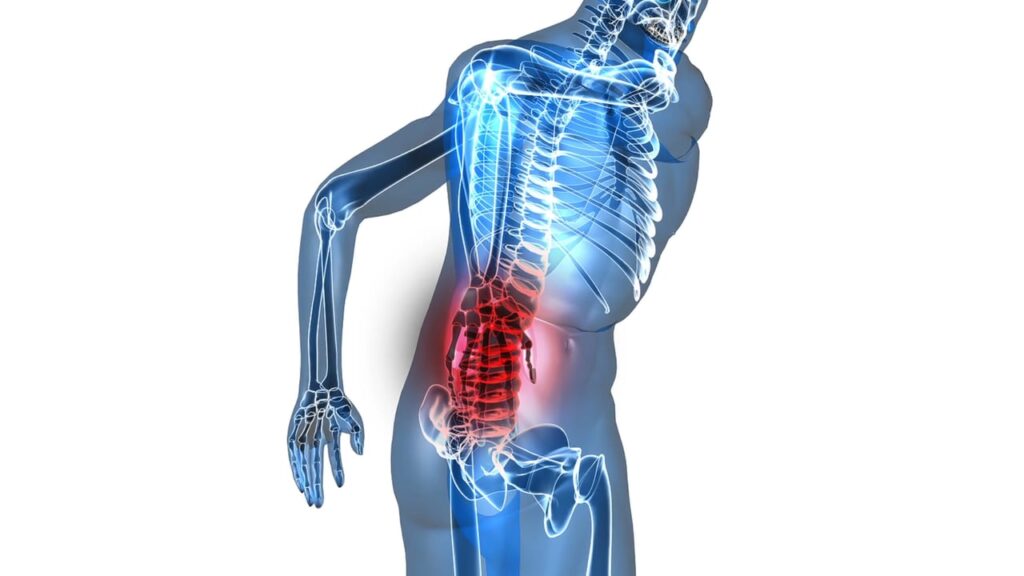
People with back pain want the pain gone as quickly as possible, so they are more likely to try treatments that are unnecessary and expensive. If someone tells them they need painkillers, injections, surgeries, or chiropractic adjustments, they do it because they’re looking for a quick solution to their pain. These unnecessary treatments, according to Cathryn Jakobson Ramin, the author of Crooked: Outwitting The Back Pain Industry and Getting On the Road to Recovery, have resulted in a $100-billion-per- year “back pain industry”. These treatments are often wrong and dangerous.
Sometimes, surgery is necessary. The more pain and dysfunction a patient experiences, the more likely it is that surgery is to be considered. Many top spine specialists, however, agree that surgery is overused. This is partly because patients want the pain to go away right away. However, some surgeries are risky procedures and could cause patients problems in the long run. The causes of back pain are hard to diagnose, and sometimes what is seen on an MRI isn’t the cause of the pain. Some surgeries to prevent back or leg pain also offer the same outcome as not having the procedure. This then turns into an expensive, unnecessary, and maybe even dangerous solution for back pain.
There are many non-surgical solutions for back pain. Non-surgical solutions can involve multiple treatment paths that combine several treatments. Outcomes between patients differ depending on the consistency of the treatments and the nature of the injury. However, top physicians do recommend trying non-surgical options before ultimately deciding on surgery.
Technology In Therapy
Increased use of technology has helped improve back pain outcomes when treating it without surgery. With vertebral axial decompression therapy or VAX-D, patients lie on a computerized table that helps the patient stretch the lower back. It can help people with low back pain and sciatica.
Exercise Can Both Treat and Prevent
Exercise can improve flexibility, strengthen back muscles, and prevent future back pain. Appropriate physical training can help treat and prevent back pain, but it needs to be consistent. A good exercise program will include stretching, strengthening, and low-impact aerobic exercises.
Manual Therapy
Manual therapy, as a treatment and preventative measure, can help payers save on the cost of surgery, related medication, and rehabilitation. It can increase flexibility, improve blood flow, decrease stiffness, and reduce muscle tension. DORN’s PainFree™ programs have proven to provide long lasting, sustainable pain relief.
You can encourage your employees to try non-surgical solutions first before they resort to surgery. Many times, they could be rushing into the wrong decision when it comes to their treatment, and treating the pain aggressively with surgery doesn’t solve the problem.
http://riskandinsurance.com/therapy-not-surgery/
http://www.webmd.com/back-pain/features/vax-d-treating-back-pain-without-surgery#1
https://www.spine-health.com/conditions/lower-back-pain/non-surgical-treatments-lower-back-pain